Day 4 of 14 · Companion to Walking Together
Keep Dignity in the Room
Reads as a complete devotion on its own
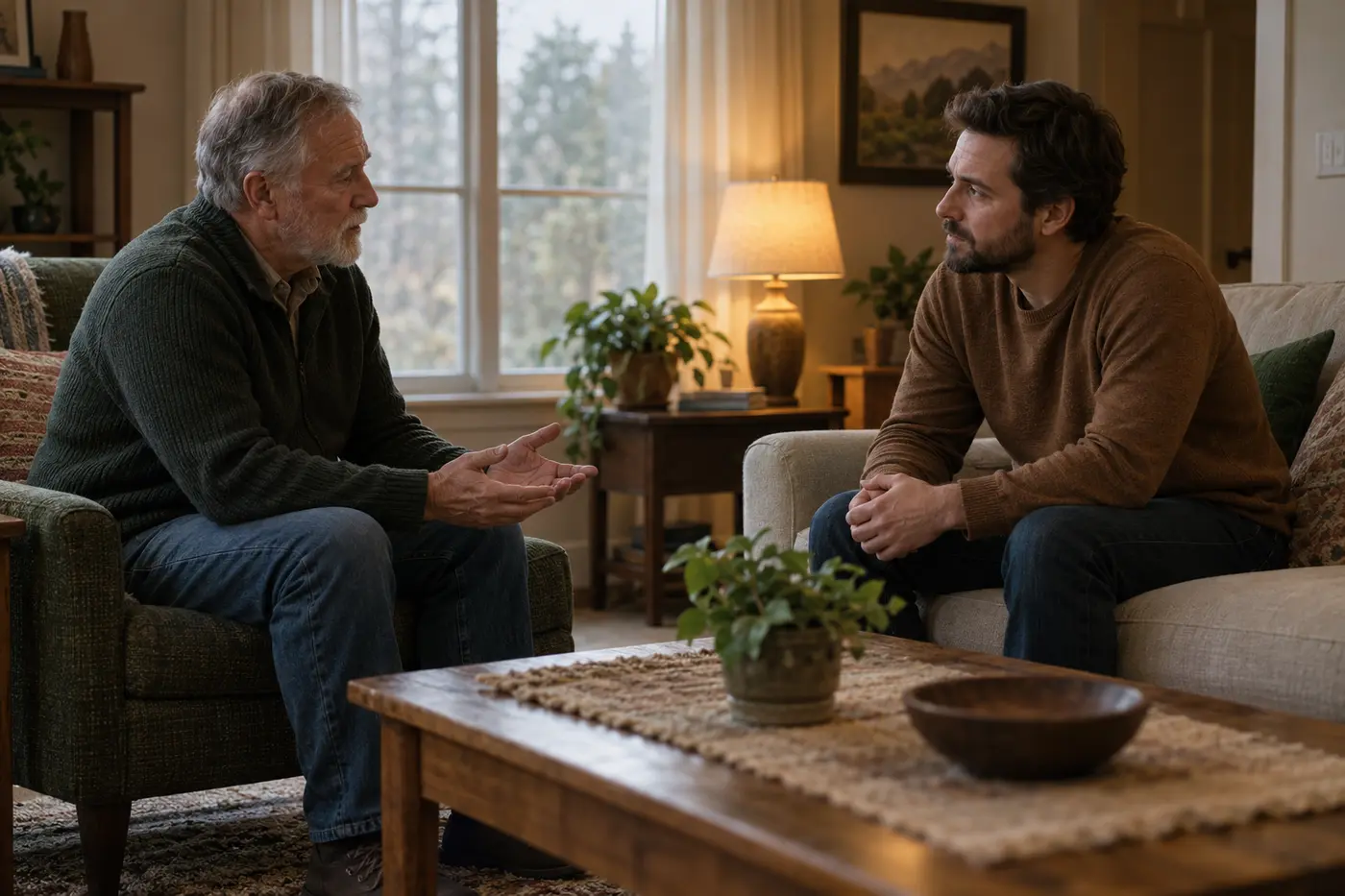
“A soft answer turneth away wrath: but grievous words stir up anger.”
Proverbs 15:1 · KJV
Conflict does not automatically mean a relationship is unhealthy. Two people can love one another and still misunderstand, disappoint, or disagree. The health of a relationship is often revealed less by whether conflict appears and more by what we permit ourselves to do when it does.
A soft answer is not a weak answer. Gentleness can tell the truth, name harm, say no, and establish a boundary. Its strength is that it refuses to use cruelty as proof of seriousness. It protects dignity while still allowing the real issue to remain in the room.
Before arguing about everything, identify what is actually happening. One late arrival does not automatically mean, You never care about me. One disagreement does not prove, We cannot communicate about anything. When we place the entire relationship on trial during one difficult moment, the original problem becomes almost impossible to resolve.
Conflict becomes unsafe when we fight to injure. Name calling, threats, humiliation, silent punishment, bringing private weakness into the argument, or threatening the relationship to gain control may win a moment while deeply damaging trust. Diagnosing someone during an argument rarely creates understanding. It usually turns pain into a weapon.
Sometimes the body needs time to settle before the heart can speak wisely. A pause can be faithful when it is clearly communicated. I want to finish this conversation, but I need twenty minutes to calm down. That is different from disappearing to make someone panic. A healthy pause protects the return.
We will not handle every conflict perfectly. We may speak too quickly, become defensive, or misunderstand. Repair begins when we return without excuses. We name what we did, acknowledge its impact, and choose a different way forward. Conflict does not have to remove love, truth, dignity, or our willingness to come back.
Reflect
Sit with the question
What does conflict tend to awaken in you? Do you attack, shut down, threaten, collect old evidence, over explain, or try to end the discomfort as quickly as possible? What would protecting dignity require?
Practice
Take one faithful step
Reduce one conflict to the actual issue. Write one clear sentence that names the concern without using always, never, a label, or a threat. If a conversation is needed, choose a calm time and speak that sentence gently.
Pray
Bring it before God
Lord, govern my words when emotions rise. Help me speak softly without avoiding truth and firmly without becoming cruel. Teach me to stay with the actual issue, pause without punishing, and return when repair is needed. Let my words protect the dignity of everyone in the room. Amen.
Truth to carryGentleness does not weaken truth. It keeps truth from becoming a weapon.